Water problems in basements rarely start with a flood. They begin with slow intrusion—moisture that seeps through concrete walls or rises through floor slabs. Over time, this exposure breaks down materials, weakens structures, and promotes mold growth in places where visibility and ventilation remain limited. Traditional sealants may delay the process, but few offer a long-term fix. What’s needed is a system built around both prevention and resilience. Recent advancements in polymer science, particularly in the development of polyurethane and polyurea coatings, have shifted how basement waterproofing is approached. These coatings, once confined to industrial settings, now play a growing role in residential and commercial foundation protection.
The Problem Beneath the Surface
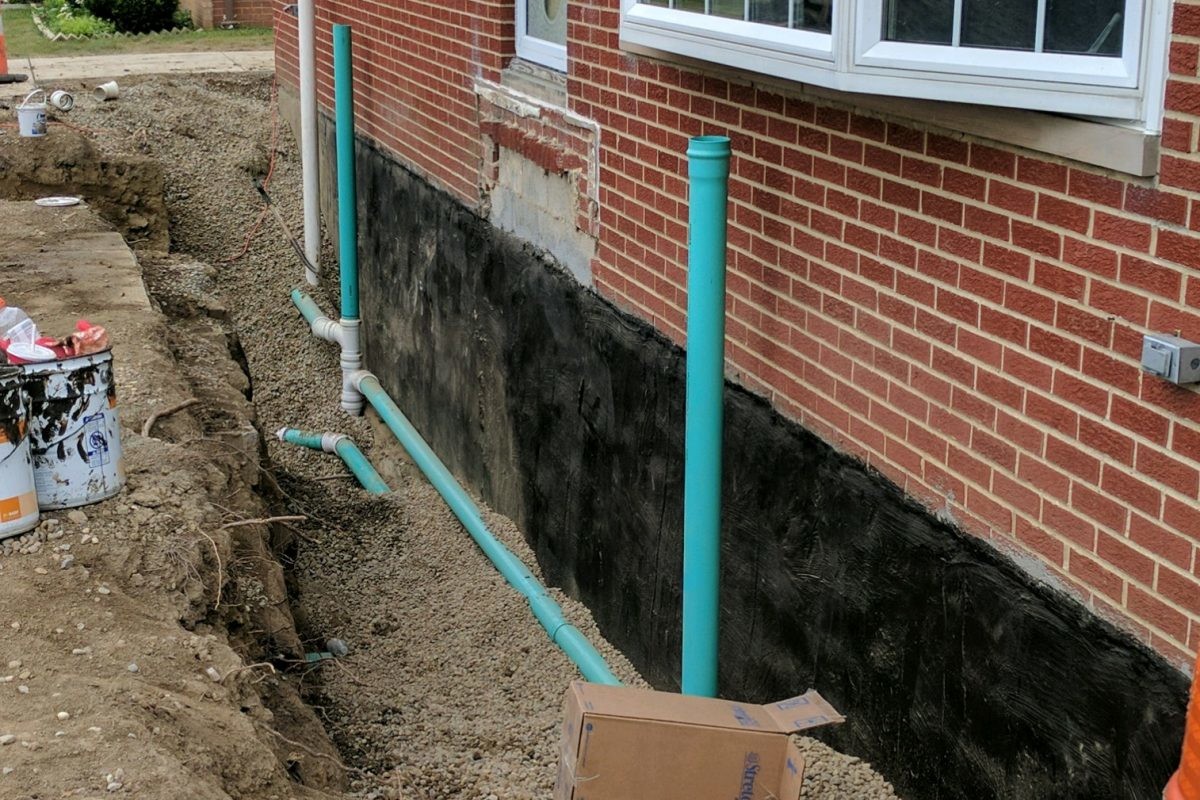
Concrete, though dense and strong, remains porous. Under pressure, water finds its way through micro-cracks and unsealed joints. In areas with high water tables or poor drainage, hydrostatic pressure forces water through these weak points. While sump pumps and drainage systems help move water away after it enters, they don’t stop intrusion at the source. Waterproofing from the inside becomes less about cleanup and more about creating a barrier that water can’t pass through.
Paint-on sealers or roll-on membranes have been used for decades, but these often lack the bond strength or elasticity to handle shifting foundations or seasonal expansion. Once a wall cracks—or once a joint pulls apart—those materials often separate. This is where the chemistry of spray-applied coatings makes a meaningful difference.
Why Polyurea and Polyurethane Matter
Spray-applied polyurethane coatings and polyurea formulations offer a twofold advantage. First, they penetrate the surface rather than sitting on top of it. Second, they cure into flexible, seamless membranes that bridge cracks and seal irregular shapes. When applied to basement walls and floors, these materials conform to the existing structure without adding weight or requiring excavation.
Polyurea cures within seconds, allowing for rapid installation even in humid conditions. It can be applied in layers, adjusted for thickness, and tailored to specific environmental challenges. Its resistance to chemical intrusion, water vapor, and abrasion makes it a durable solution not only for waterproofing but also for improving the structural integrity of aging surfaces.
In colder climates, polyurea and polyurethane maintain their elasticity, which prevents cracking due to freeze-thaw cycles. In warmer regions, their UV stability helps protect against long-term degradation in exposed areas such as daylight basements or walkout walls. Their use in below-grade construction continues to grow as contractors and engineers adopt more proactive systems for moisture control.
From Industrial Use to Residential Application
The coatings that now protect basement walls evolved from technologies designed to handle harsher conditions. Polyurea coatings, for example, were first developed for environments such as wastewater treatment plants, bridge decks, and containment systems where moisture and pressure posed constant threats. Their success in those demanding applications led to broader adoption in the building envelope sector.
Today, homeowners benefit from the same properties that once protected critical infrastructure. When a spray-applied polyurea coating is used in a basement setting, it performs not only as a waterproof barrier but as a reinforcement to the surface beneath. This makes it especially valuable in older homes where foundation walls may show early signs of movement or stress.
Contractors applying these coatings must prepare surfaces carefully—grinding, cleaning, and in some cases, filling larger gaps or cracks. But once applied, the coating locks into place and creates a consistent, bonded layer across the entire area. Unlike taped seams or layered membranes, it doesn’t rely on adhesion alone. Its mechanical bond adds a level of security that traditional materials cannot offer.
Durability Without Ongoing Maintenance
One of the most appealing aspects of spray-applied coatings lies in their longevity. Once cured, they don’t require reapplication or annual inspections. They resist moisture penetration not just as a surface layer but as part of a larger system that integrates with the building. For basement remodels or finishing projects, this protection translates to less risk of damage behind drywall, under flooring, or within storage areas.
Moisture that enters a basement wall typically moves slowly. It might not flood a room, but it raises humidity, triggers efflorescence, and creates conditions for mold growth. By stopping that movement early—at the wall or floor level—polyurea and polyurethane reduce the long-term risks associated with water damage.
As energy codes tighten and more buildings aim for sealed envelopes and high-efficiency performance, these coatings also help manage vapor transmission. Their role in controlling humidity contributes to indoor air quality and supports the performance of HVAC and dehumidification systems in basement environments.
A Knowledge-Driven Industry Shift
The move toward spray-applied waterproofing has not occurred in isolation. Industry organizations and publications continue to study the performance of these systems in varied conditions. Polyurea resources now offer insights for contractors, engineers, and even property owners seeking to understand how coating technology fits into broader construction strategies.
Manufacturers and applicators contribute test results, case studies, and installation best practices that help ensure coatings are not just used—but used correctly. These resources have helped raise awareness around the value of coating systems and how they perform in real-world settings.
Basement waterproofing, once considered a reactive process, has shifted toward a science-based preventative model. Spray-applied coatings play a key part in that evolution by offering consistency, durability, and control where older materials fall short.
Conclusion: A Stronger Foundation Starts With the Right Barrier
Waterproofing a basement shouldn’t rely on patchwork methods or short-term fixes. The right coating doesn’t just prevent leaks—it strengthens surfaces, controls moisture, and extends the life of the structure. With advances in polyurea and polyurethane, the barrier between a dry basement and a water-damaged one no longer depends on hope. It depends on chemistry, process, and a deeper understanding of how water moves through buildings. That knowledge, combined with tested material systems, continues to redefine what’s possible beneath the surface.
Related Reading
If you found this post helpful, you may also want to read our complete guide to basement waterproofing costs in 2025, which breaks down pricing by method and material. Homeowners who are still assessing whether they have a problem should also check out our guide to the warning signs that your basement needs waterproofing — knowing what to look for early can save tens of thousands in remediation costs.