Having water in your basement can lead to property damage, the destruction of items, and mold growth. To prevent these problems and maintain a basement, it’s crucial to implement waterproofing measures. This article outlines some of the techniques for waterproofing your basement, including the use of polyurea.
Understanding Basement Waterproofing
Basement waterproofing encompasses a range of methods to prevent water intrusion. Each method has advantages and challenges, so it’s essential to grasp these nuances to select the suitable solution for your specific basement needs.
External Waterproofing
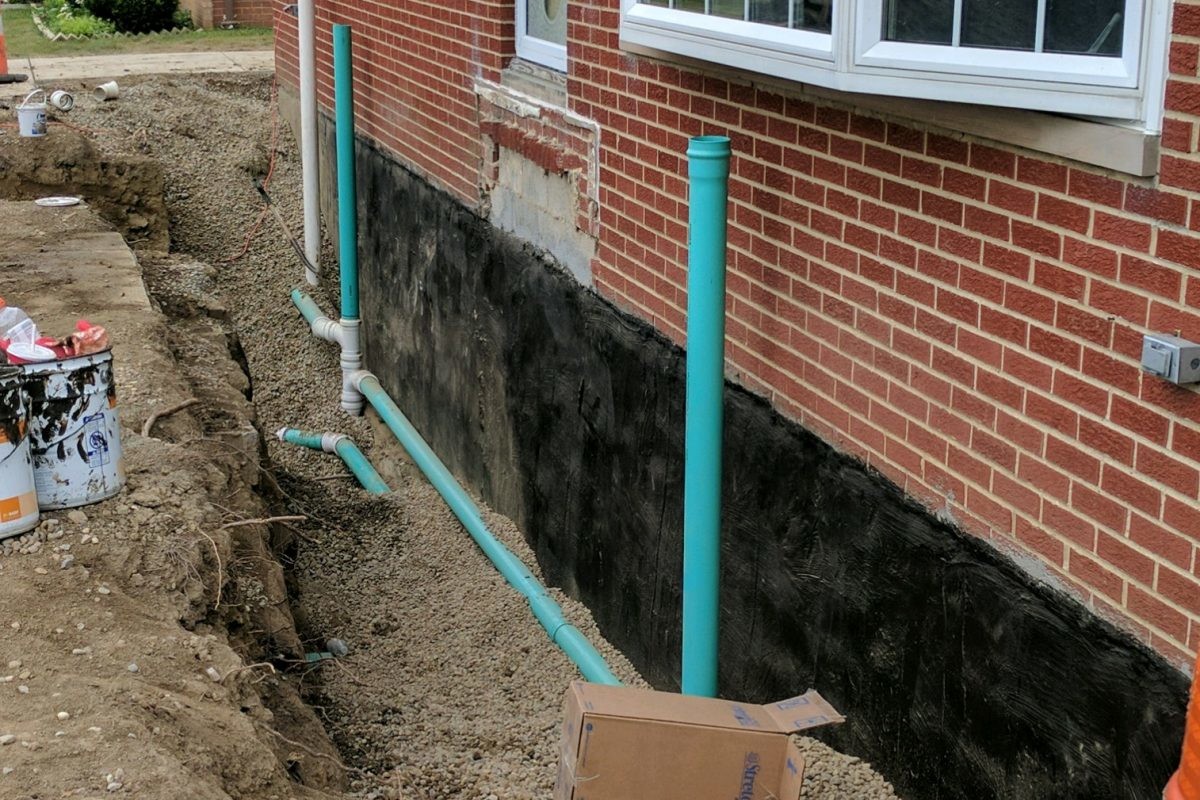
External waterproofing is designed to intercept water before it infiltrates your basement. This process involves applying a seal or membrane on the walls of your foundation to block water penetration through the concrete. Additionally it may entail installing a drainage system that redirects water away from your property.
This method typically requires excavation around the foundation, which can be labor-intensive and costly. Despite this, external waterproofing is known for its effectiveness and durability. The key lies in ensuring a seal around the foundation perimeter.
Internal Waterproofing
Internal waterproofing focuses on managing water that has already entered your basement space. It includes strategies such, as sealing wall and floor cracks using coatings and setting up sump pumps.”
Sealing up cracks is a budget fix. It stops water from seeping into the concrete through gaps. Opting for either cement or a polyurethane-based sealant ensures a lasting repair.
Another effective method indoors is applying coatings. These coatings form a layer, on the walls of your basement, acting as a barrier. They are simple to put on. Can be combined with techniques for added safeguarding.
In flood areas sump pumps play a role. They work by removing water that collects in a sump pit, situated at the point of the basement. Once the water level rises to a point the pump kicks in. Directs the water outside your house, preventing any potential flooding in your basement.
Polyurea stands out as a solution for basements. This coating, applied using spray technology forms an durable shield that’s resistant to water, chemicals and wear and tear. It adheres well to surfaces like concrete, wood and metal making it adaptable for basement settings.
A key benefit of polyurea is its curing time. It solidifies rapidly, allowing you to finish the waterproofing process faster compared to methods. This not minimizes disruptions, to your life but also cuts down on labor expenses.
Polyureas flexibility is an advantage. It can adjust to the foundations movements handling shifts and settling without developing cracks. This feature ensures lasting protection and minimizes the need, for upkeep.
Applying polyurea calls for tools and expert knowledge. It’s essential to enlist professionals who’re skilled in working with this material. Their expertise guarantees an thorough application offering safeguarding for your basement.
Drainage Systems
Effective drainage plays a crucial role in waterproofing basements. Installed drainage systems divert water away from your house lowering the risk of leaks and flooding.
Exterior drainage systems encompass drains and surface drains. French drains consist of a trench filled with gravel and a perforated pipe. Water enters the trench passes through the gravel and flows into the pipe, which directs it away from the foundation. Surface drains collect surface water. Channel it away from your home through a network of pipes.
Interior drainage systems involve setting up a channel around the perimeter of your basement floor to collect water. This channel guides water to a sump pump that then pumps it out of the basement. These systems effectively manage water that has infiltrated the basement, preventing damage.
Ensuring Adequate Ventilation
Adequate ventilation is often disregarded in basement waterproofing.
Maintaining ventilation in your basement is essential to prevent mold growth and moisture issues. Enhancing air circulation through vents or exhaust fans. Using dehumidifiers can help reduce humidity levels, thus minimizing the risk of condensation and water-related problems.
Regular upkeep of your waterproofing systems is crucial for long-term efficiency. It is important to conduct inspections to catch issues early on, such as signs of water infiltration, such as damp spots or mold. Timely addressing of any problems can prevent damage.
Keeping your drainage systems clean and functional by clearing debris from gutters and downspouts and checking the sump pump regularly is necessary for their operation.
In conclusion, waterproofing your basement is an aspect of safeguarding your home and possessions. Understanding the methods, such as utilizing polyurea technology, allows you to select the most suitable solution for your requirements. Whether you opt for interior waterproofing, ensuring drainage, ventilation, and regular maintenance will help maintain a dry and secure basement environment. Investing in these measures offers peace of mind. Contributes to a living space.